
Why Austin Needs Shared Impact Infrastructure
- 0 reactions
- 3 months ago
- R3SET Agency
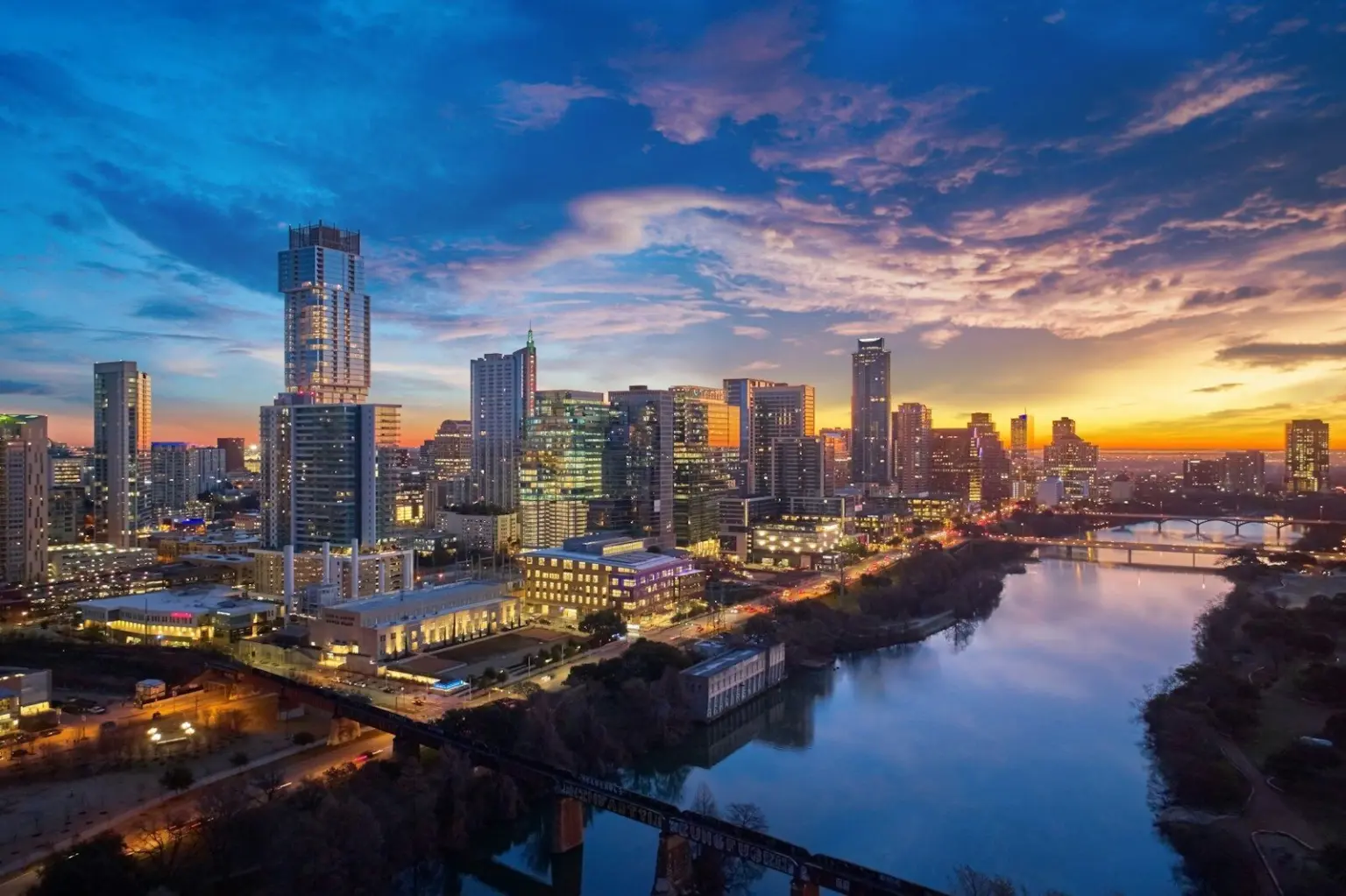
The problem is not that Austin lacks people who care.
Austin has no shortage of people trying to make things better.
There are nonprofits addressing food access, education, housing, climate, health, arts, youth development, economic opportunity, and civic life. There are founders building mission-driven businesses. There are organizers hosting events, mutual aid groups responding to needs, funders looking for leverage, and residents who want to help.
The problem is not a lack of care.
The problem is fragmentation.
The work is spread across websites, newsletters, spreadsheets, social posts, private networks, one-off events, outdated lists, and conversations that never reach the people who would act if they knew where to go.
That fragmentation has a cost.
It costs nonprofits visibility.
It costs residents momentum.
It costs businesses trust.
It costs funders clarity.
And it costs the city a more connected, coordinated version of itself.
That is why Austin needs shared impact infrastructure.
What do we mean by “impact infrastructure”?
Infrastructure is the stuff that makes other work easier.
Roads help people move. Payment rails help money move. The internet helps information move.
Impact infrastructure helps community energy move.
It helps people find the causes, organizations, events, campaigns, and opportunities that already exist.
It helps local organizations tell their story in a way people can understand and act on.
It helps businesses support the community with more transparency.
It helps funders and civic partners see patterns, gaps, momentum, and needs.
For Austin, shared impact infrastructure starts with a few basic pieces:
- A living directory of local causes, organizations, people, and events
- Clear pathways for residents to participate
- Campaigns that move attention and dollars toward local work
- Public reporting on what is happening
- A governance model that gives the community a voice
That is the foundation ATX Impact Network is being built to provide.
Static directories are not enough
A normal directory answers one question:
“Who exists?”
That is useful, but it is not enough.
A living impact network should answer better questions:
- What is happening right now?
- How can I help this week?
- Which organizations are working on this issue?
- What events should I attend?
- What campaigns are active?
- Where is money moving?
- Who is already involved?
- What does the community need next?
A static list cannot do that.
It goes stale. It creates another place to update. It gives people information without helping them act.
ATX Impact Network is designed to go beyond a static list by connecting listings to stories, events, campaigns, member participation, and transparent updates.
The goal is not just to catalog Austin’s impact ecosystem.
The goal is to activate it.
Fragmentation makes participation harder
Most people do not need a 40-page civic engagement plan.
They need one clear next step.
They need to know:
- Where can I volunteer?
- Who can I support?
- What is happening near me?
- Which causes match my values?
- Which organizations are credible?
- How do I get involved without feeling overwhelmed?
When those answers are scattered, people delay. They scroll past. They assume they are not connected enough. They wait for someone to invite them.
That is a design problem.
If Austin wants more residents to participate in local impact, we need to make participation easier to start.
A shared impact network lowers the friction.
It gives people a front door.
Fragmentation also makes support less transparent
Businesses and sponsors often want to support local causes, but the path can be unclear.
They are asked to sponsor events, donate to campaigns, buy tables, add logos, or support one-off initiatives.
Some of that is useful. But it can also feel disconnected.
What did the money make possible?
Who benefited?
What changed?
How does this connect to a broader local impact strategy?
ATX Impact Network creates an opportunity to move from isolated sponsorships to shared infrastructure.
Instead of only funding a single event or campaign, founding sponsors can help build the rails that make many events, causes, and organizations more visible over time.
That is a better story.
It is also a better investment in the city.
Austin needs a shared map, not another walled garden
Many platforms want to own the audience.
ATX Impact Network is being built with a different philosophy.
The goal is not to trap Austin’s community activity inside a closed system. The goal is to make local impact more discoverable, connected, and measurable across the ecosystem.
That means:
- Linking out to organizations and events
- Helping partners tell their own stories
- Giving nonprofits visibility without making them dependent on one channel
- Building public trust through transparent measurement
- Designing a path toward community governance and ownership
The network should feel like Austin’s shared map, not someone else’s marketplace for Austin’s attention.
Why community ownership matters
Infrastructure shapes behavior.
Who owns the infrastructure matters.
If a platform is designed only to extract attention, sell access, or control the relationship between communities and their supporters, people eventually feel it.
Trust drops.
Participation drops.
The best local impact infrastructure should be aligned with the people who use it and benefit from it.
That is why ATX Impact Network is being designed with multistakeholder cooperative principles from the start.
In plain language, that means the network should be shaped by multiple groups:
- Community members
- Nonprofits and cause organizations
- Mission-aligned businesses
- Worker contributors
- R3SET as the current legal steward and platform builder
The legal structure will evolve over time, but the operating principle starts now:
Build with the community, not just for it.
What shared impact infrastructure can unlock
If Austin can build a strong shared impact layer, several things become easier.
Residents can find their place
A person who wants to help can discover causes, organizations, events, and campaigns without needing to already know the right people.
Nonprofits can be seen
Organizations doing important work can maintain a profile, share updates, connect to campaigns, and be discovered by supporters.
Businesses can support with substance
Sponsors and business members can fund visible, measurable infrastructure instead of relying on vague “community support” claims.
Funders can see patterns
Foundations and civic partners can get a better view of what is active, where participation is growing, and where gaps remain.
The city can coordinate faster
When people, causes, organizations, and events are easier to find, collaboration becomes more likely.
That does not solve every problem.
But it changes the starting point.
The first version is intentionally simple
ATX Impact Network does not need to launch as a perfect, fully built civic platform.
It needs to launch as a useful first layer:
- A credible directory
- A clear story
- A few strong founding partners
- A campaign that drives people into the network
- A transparent way to show what is happening
- A path for the community to help shape what comes next
That is enough to start.
The network can grow through use.
More listings. More stories. More events. More sponsors. More members. More data. More trust.
Infrastructure does not become valuable because it is announced.
It becomes valuable because people use it.
The invitation
Austin does not need another disconnected initiative.
It needs a shared layer that helps existing initiatives become easier to find, support, and connect.
That is what ATX Impact Network is here to build.
If you are a resident, use it to find your next step.
If you are a nonprofit, use it to help people discover your work.
If you are a business, help fund the infrastructure that makes local impact more visible.
If you are a funder, help turn scattered energy into a more coordinated ecosystem.
If you are building something for Austin, help us map it.
The work is already here.
The missing piece is shared infrastructure.
Let’s build it together.
Comments
Continue reading



There are no results matching your search